


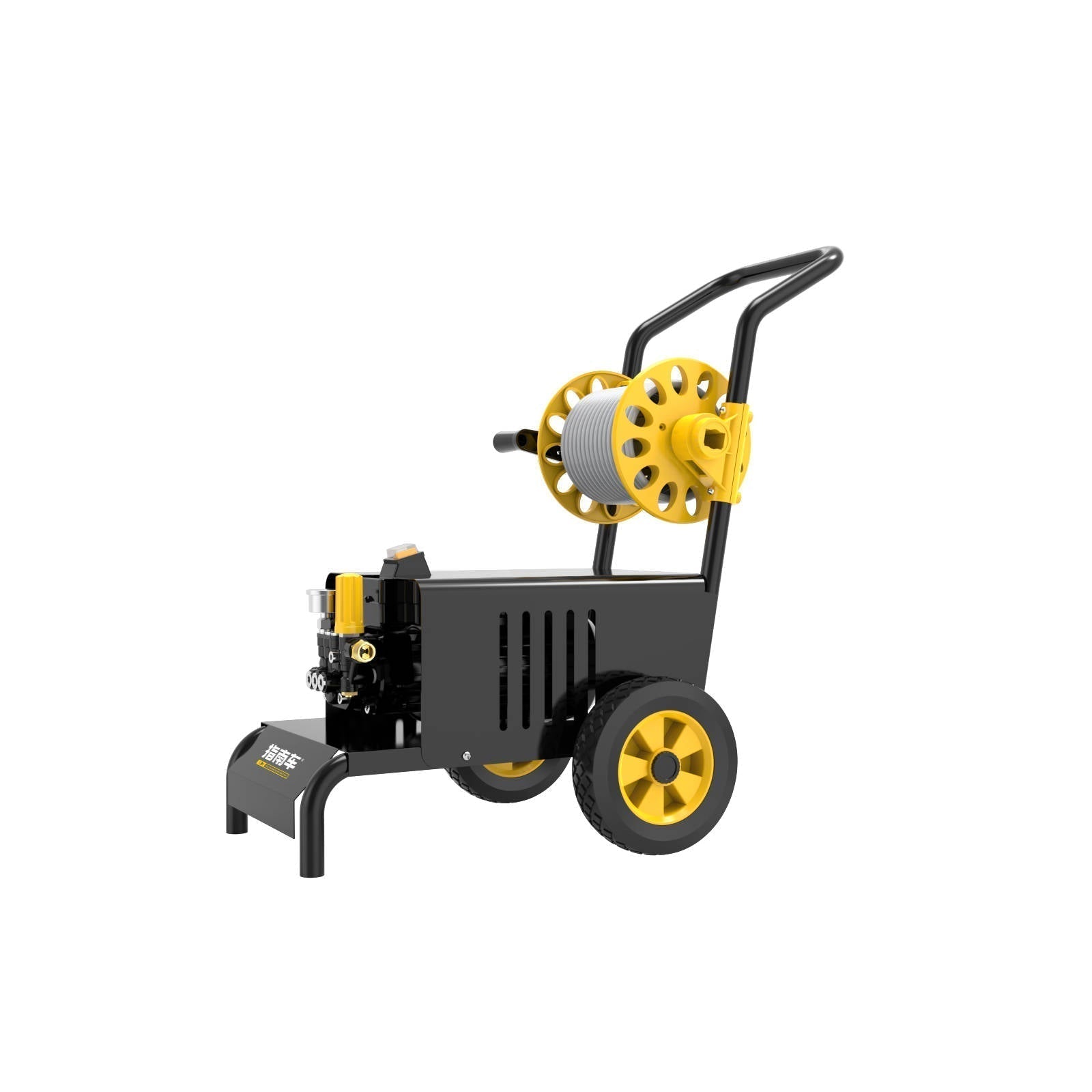
Electric vs Petrol Pressure Washers – Which Is Right for You?
Pressure washers have become an essential tool for car owners, homeowners and tradespeople who want faster and more effective cleaning. The two main types, electric and petrol, offer different strengths. The right one for you depends on how much cleaning power you need, how often you use it and where you plan to work.
So how do you decide which type of pressure washer will give you the best results?
What is an electric pressure washer and how does it work?
An electric pressure washer uses mains power to drive a motor that pressurizes water. Once connected to a hose and power outlet, it delivers a consistent jet that removes dust, mud and grime.
Most electric washers produce between 1300 and 1900 PSI, which is ideal for washing vehicles, patios, and outdoor furniture. Compact units like the portable pressure washer and wall-friendly models such as pressure washer R30 sit in this range and suit regular home use.
Most electric washers produce between 1300 and 1900 PSI, which is ideal for washing vehicles, patios, and outdoor furniture. They are easy to use, light to carry and start with the press of a button. There are no exhaust fumes, no fuel to store and very little noise compared with petrol models.
Electric pressure washers are popular because they are low maintenance. You do not need to change oil or filters. You simply plug in, attach the hose and begin cleaning.
When should you choose an electric pressure washer?
An electric washer suits people who want simplicity and convenience. It is the better option if you:
-
Clean cars, decks, garden tools or outdoor furniture
-
Have regular access to a power outlet
-
Prefer quiet operation and low running costs
-
Want minimal setup and maintenance
It is also a good choice if you wash frequently. Electric washers are gentle enough for weekly cleaning and efficient enough for light to medium jobs. They save water and energy by maintaining steady pressure.
What is a petrol pressure washer and why do people use it?
A petrol pressure washer uses a small combustion engine to generate power. It runs independently of electricity, which means it can be used anywhere. These machines often deliver 2500 PSI or more and move a higher volume of water per minute.
They are built for heavy cleaning tasks. People use petrol pressure washers to remove mud from utes, clean building equipment or prepare large surfaces for painting. Their higher power levels make them effective on hard surfaces and stubborn grime that would take longer with an electric washer.
Because they rely on fuel, they need more care. Regular maintenance includes changing oil, checking filters and monitoring spark plugs. They also produce more noise and exhaust, which makes them suitable for open spaces rather than small garages.
When is a petrol pressure washer the better choice?
A petrol washer is ideal if you need strong pressure and portability. It performs best when you:
-
Work on large areas such as driveways, walls, or machinery
-
Clean in places without power access
-
Need high pressure for tough dirt and oil
-
Use the washer for long periods or commercial work
You can move it freely and work faster on demanding tasks. It gives consistent pressure even in long cleaning sessions. For off-road vehicles and trailers, a petrol washer with an underbody cleaner and off-road 4x4 foam wash concrete speeds up deep cleans between trips.
Which type gives better performance?
Performance depends on the type of cleaning you do. Electric models deliver enough pressure for most household jobs and car washing. They offer smooth, consistent performance without the risks of over-pressurizing surfaces.
Petrol units are stronger and clean faster on heavy dirt. Their higher pressure levels remove thick mud and stains quickly, but they can be too powerful for delicate paintwork.
If you mainly wash cars or household surfaces, electric power is the safer and more practical choice. If your work involves tough grime or large spaces, petrol pressure will save you time.
What about running costs and maintenance?
Electric washers are cheaper to operate. Electricity costs less per use than petrol, and there is almost no mechanical wear. Aside from occasional hose or nozzle replacement, maintenance is limited to basic cleaning.
Petrol washers cost more to run and maintain. You need fuel, engine oil and spare parts over time. They also need regular servicing to stay reliable. However, when used for the right type of work, they can last many years and justify the extra upkeep.
Which type is easier and safer to use?
Electric washers are easier for beginners. They start instantly, are lightweight, and produce steady pressure that is simple to control. Their low noise level makes them comfortable for longer use.
Petrol washers need more preparation. You must fill the tank, check oil, start the engine, and allow it to warm up. They also reach higher temperatures and require safe fuel storage.
For safety, both types need proper use. Always wear closed shoes, keep cables and hoses away from moving parts, and avoid spraying close to the skin or fragile materials.
How do the two compare on water use and environmental impact?
Both save water compared with a garden hose. Electric washers usually use less water overall because their pressure is matched to household jobs. Petrol washers push more water per minute, which increases consumption but also shortens cleaning time.
Electric models have the edge in environmental impact. They create no emissions, use less energy, and operate quietly. Petrol machines produce exhaust gases and are noisier, though they are still efficient compared with traditional cleaning methods.
Which one lasts longer?
Durability depends on how each type is used and maintained. A quality electric washer that is flushed, drained, and stored indoors can last for many years. Petrol models can outlast them if serviced properly, as their engines are built for heavier workloads.
In both cases, lifespan improves with good habits: rinsing clean water through the pump after use, storing away from direct sunlight, and keeping fittings dry and tight.
How to decide between electric and petrol pressure washers
Start with your typical cleaning tasks. If you mostly wash your car, patio or small outdoor spaces, an electric washer is the better fit. It is easy to handle, cost-effective, and safe for all paint finishes.
If your work involves hard-set grime, off-road vehicles, or remote cleaning locations, choose petrol. Its higher output and mobility make it a stronger partner for demanding jobs.
It is about matching the washer to your lifestyle and workload. Using a small machine for heavy tasks wastes time, while using a powerful one for delicate cleaning risks damage. The right fit gives efficiency and confidence every time you switch it on.
Get the Right Pressure Washer for Your Cleaning Routine
A good pressure washer should make cleaning easier, not harder. Blahst builds both electric and petrol pressure washers designed for reliability, power, and comfort. Every model is engineered for long service life, smooth operation, and balanced water use.
Explore the Blahst collection and find the pressure washer that fits the way you clean. Whether you value convenience or strength, there is a model ready to help you finish faster and achieve a cleaner result every time.


Share:
Pressure Washer PSI Guide: Find the Right Power for Every Cleaning Job