


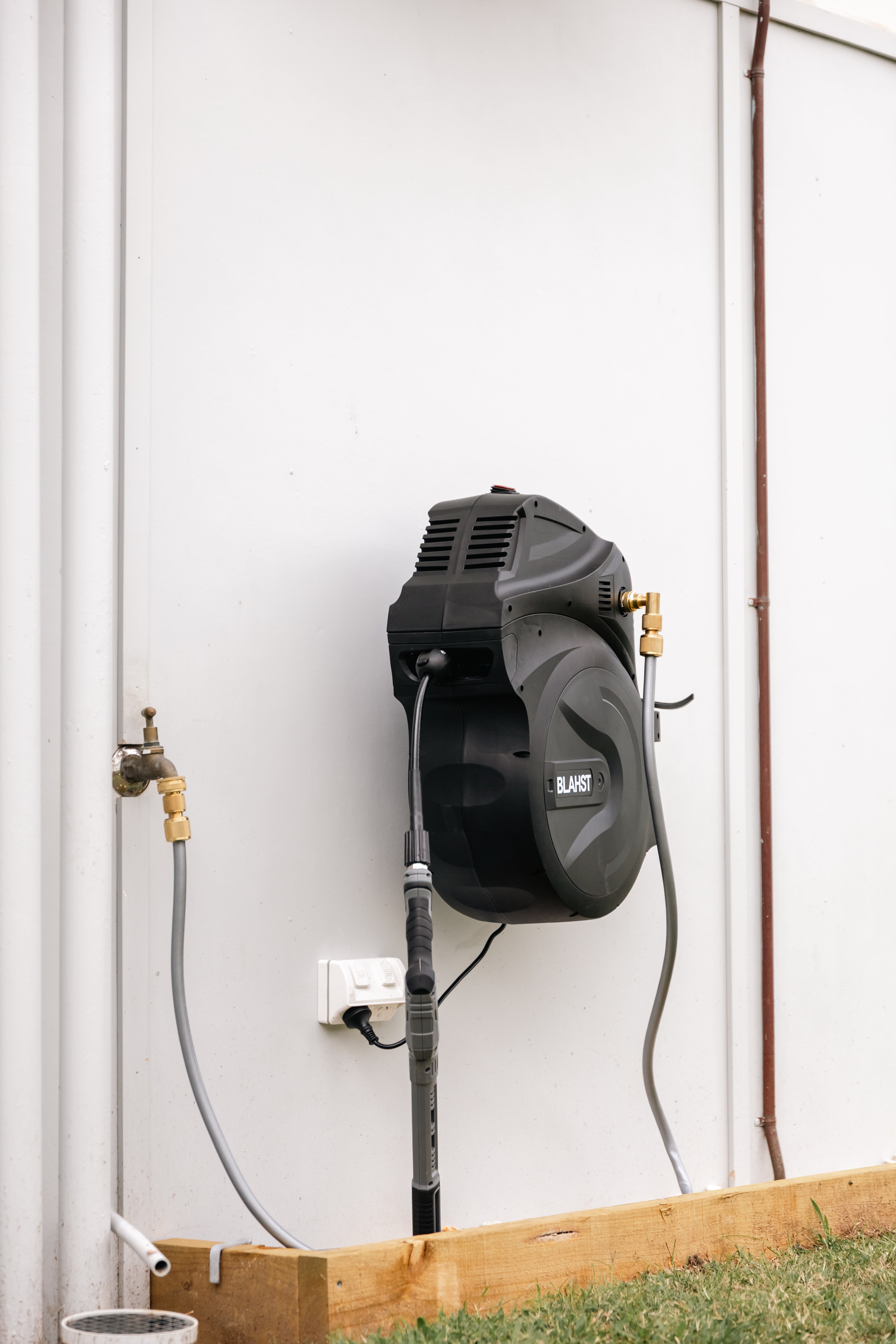
What happens when you pick the wrong pressure washer for your car?
Getting the best pressure washer for cars means more than just buying the most powerful machine. If you select one that is too aggressive or not designed for automotive use, you risk scratching paint, forcing water into trim, wasting water, and making a simple wash into a big chore.
In Australia especially you face salt near the coast, red dust inland, and frequent weekend washes under the sun. Using a generic high-pressure washer to wash concrete, it won’t cut it. You’ll spend more time cleaning, end up with worse results, and shorten the life of your car’s finish.
Choose the right car-safe pressure washer in Australia with this Blahst guide, comparing PSI, nozzles and foam cannons to protect your paint, save water and wash faster.
What are the major pain points car owners face when washing their car?
Many car owners say they feel stuck in a loop: bucket and sponge takes too long, hose pressure is too weak, and high-pressure washers cause streaks or damage. They worry about paintwork, coil springs, undercarriage build up, wheel-wells full of brake dust. This makes weekend car washing sessions into a massive chore and not something you want to spend your weekend doing. You just want something that will do the job.
In Australia water restrictions add another layer — you want a solution that uses water smartly. You also want a machine that’s easy to set up, store and use without fighting with it every time. These are the things a good pressure washer for cars must solve.
What features should you look for in the best pressure washers for cars?
Pressure and flow that match the job
For car surfaces you don’t want ultra-high pressure. Experts recommend something in the 1,200-1,900 PSI (≈ 80-130 bar) range for car cleaning; going above that increases risk of damage. Flow rate matters too — higher litres per minute mean faster rinse and fewer passes. According to one Australian guide you should check for both PSI and flow when choosing a washer for a car.
Spray pattern, nozzles and attachments
Spray pattern, pressure washer nozzles and car-safe attachments are key when choosing the best pressure washer for cars in Australia. Use a 40° wide-fan nozzle on clear coat and body panels, a 25° nozzle on lower doors and bumpers, and reserve a 15° nozzle for metal-only areas like wheel wells and mud flaps. Pair your setup with a foam cannon, pH-balanced car wash detergent and a wheel cleaning attachment for safer, more effective washing.
Portability, ease of use and storage
If your machine is bulky, heavy, takes ages to set up or store, you’ll avoid using it. The best pressure washers for cars are easy to move around, have long hoses, quick-connect fittings, and are built to live in a garage or carport.
Durability for Australian conditions
Australian garages and outdoor areas face sun, dust, humidity, salt. Machines must resist UV-damage, corrosion and wear. Ensure you’re buying a machine built for local conditions.
Compliance and environment
Water restrictions in Australia mean you should use machines that minimize water wast. For example using biodegradable detergents and protecting storm-drains when rinsing.
How does Blahst address those criteria?
At Blahst we focus purely on pressure washers tailored to car cleaning. We tune pressure and flow so you get enough power to remove grit and grime but not so much that you risk harming your finish. Our units come with car-specific attachments: wide-fan nozzles, foam lances, wheels-wells nozzles. We design for portability and Australian conditions: durable hoses, UV-stable plastics, long service life. We’ve built into them water-efficient design and ease of setup so your weekend wash becomes something you’ll do, not dread.
How to use your pressure washer to clean your car the right way
-
Begin by rinsing the vehicle with a low pressure wide-spray to remove loose dirt and grit. This prevents scratching when you apply stronger spray.
-
Apply foam or detergent if your unit includes it. Let the foam dwell for a minute (not drying). That loosens embedded grime. Having a foam cannon makes this job an absolute breeze.
-
Use a wide-fan nozzle on body panels, keeping the nozzle at least 30-45 cm from the paint surface. For wheels and arches you can get slightly closer but still keep movement.
-
Rinse top-to-bottom so the water carries away particles, not back into clean areas.
-
Dry the car using a soft microfiber towel or blower to prevent water spots.
-
After your wash, flush out the machine, clear any detergent residue, drain hoses and store in a dry place. Proper maintenance prolongs the life of your washer.
What mistakes do people make with car pressure washing?
One frequent error: treating a car like a concrete surface. Using a narrow pressure washer turbo nozzle, or holding the wand from a pro gun kit too close to the paint can damage the clear coat, strip wax or ceramic protection, ruin vinyl wraps, and even force water into rubber seals and trim.
For flat paths and driveways, a floor/surface cleaner is better suited than blasting your car with the same setup. . Another mistake: neglecting flow rate and hose length. A machine with high PSI but small hose or low flow will spin dirt around rather than rinse it properly. Also ignoring local water restrictions; washing without consideration for run-off and waste is a problem.
People also forget about environmental rules and local water restrictions. Washing a car in the wrong place, letting dirty run-off from your foam cannon loaded with foam wash concrete go straight into drains, or wasting water can lead to fines and is bad for the environment. Use controlled rinsing and a suitable wash bay area to manage waste water properly.
What are the current trends in Australia for car-cleaning pressure washers?
In 2025 we’re seeing more focus on compact, electric units built for residential use — quieter, lighter, easier to store. Guides in Australia point out that 10 m hose lengths, braided hoses and quick-connects matter. Also there’s more demand for machines with foam integration, water-efficient designs and models that handle Australian ambient conditions. Many buyers now value reliability, ease of use and finish quality over raw power.
How to decide if you need a specialised washer rather than a general-purpose one?
If you wash your car occasionally and just want “clean enough”, a general-purpose washer might work. But if you care about preserving paint, cleaning frequently, tackling coastal salt or dusty destinations, you’ll benefit from a machine designed for cars. A proper “best pressure washer for cars” will give better results, less risk and more satisfaction. The difference shows in finish, setup time and how you feel doing the wash.
Ready to Upgrade Your Wash Routine?
Choosing the best pressure washer for cars isn’t about picking the highest number on the spec sheet. It’s about choosing one built with your car and cleaning routine in mind. When the machine meets your real needs, safe pressure, good flow, proper nozzles, portability, durability, and smart water use, your wash becomes faster, safer and better. At Blahst we build our washers around those principles so you can get on with the car, rather than fight with the washer.
Browse Blahst’s range of car-specific pressure washers and choose one made for Australian conditions, designed for vehicles and built to last. Make your next wash faster, smarter and satisfying, your car deserves nothing less.

Share:
How to Choose Between Electric and Petrol Pressure Washers